Vienna, Virginia · Plumbing referrals
Difficult Run Plumbing is a specialist research and referral service for plumbing in Vienna. One call connects you with an independent local pro. No charge to call, and no obligation until you approve a written estimate.
Difficult Run Plumbing is a free referral service. We connect you with an independent local pro; we do not perform the work ourselves.
Operated in the United States by a US based routing team, with US based staff on the line.
Serving Vienna ZIP codes 22180, 22181, 22182, 22185, across the Difficult Run service area and the neighborhoods named below.
Vienna plumbing divides into root work, age work, and hidden work. Roots fill the clay laterals under the mature canopy, galvanized and cast lines in the postwar stock fail by the calendar, and finished basements hide the evidence until finishes fail. In Vienna the deciding local variable is this: mature trees over the older sections work roots into clay era laterals year after year, postwar stock still runs original galvanized supplies and cast drains that fail by age, and finished basements hide slow leaks until the finishes announce them. This 2027 guide is compiled from the latest published national figures and local data for the covered ZIP codes 22180, 22181, 22182, 22185.
Nothing. The call and the referral are free, and there is no obligation to hire anyone.
Only after the pro has seen the job and you have approved a written estimate. Approving the price is always your decision.
An independent local contractor who takes this kind of work in Vienna. You deal with them directly, and you can verify licensing and insurance before hiring.
No. This service is run by a US based routing team. Real people here route your call to a local pro.
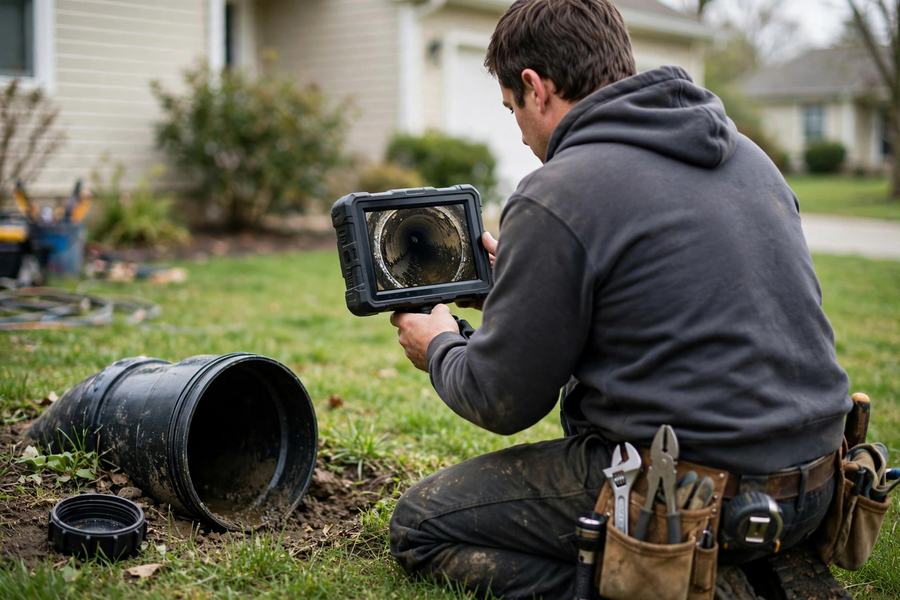
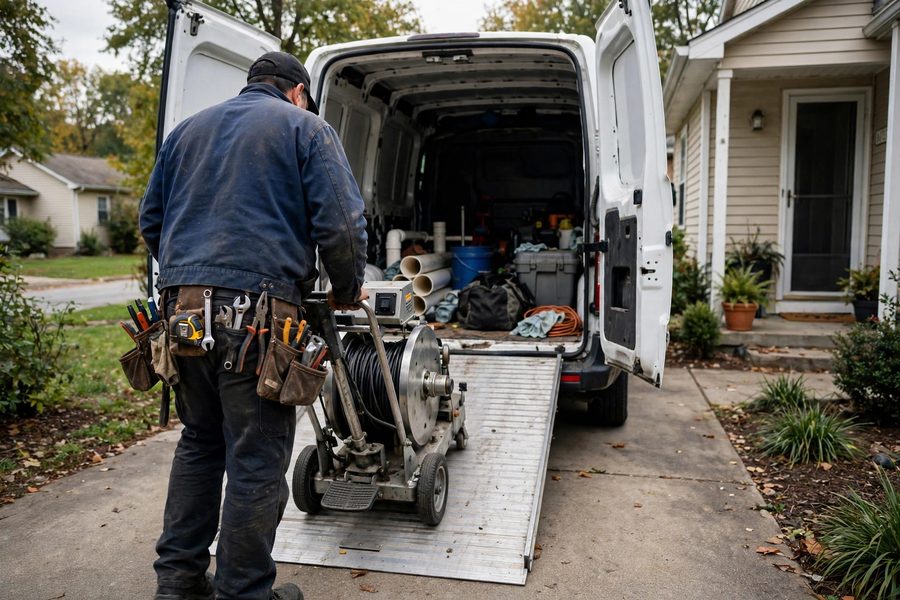
In Vienna, sewer Line Repair & Camera Inspection begins with the trees: mature roots and clay era laterals wrote most of the underground story here. The camera and the meter read the camera read before any digging talk before any yard or wall is opened. Postwar galvanized and cast stock fails by age, street by street.
Call PLACEHOLDER
In Vienna, repiping & Pipe Replacement begins with the trees: mature roots and clay era laterals wrote most of the underground story here. The camera and the meter read the whole system read, not one more patch before any yard or wall is opened. Finished basements raise the cost of guessing; proof comes first.
Call PLACEHOLDER
In Vienna, leak Detection & Pipe Repair begins with the trees: mature roots and clay era laterals wrote most of the underground story here. The camera and the meter read the meter, the moisture map, and the proof before any yard or wall is opened. Town laterals are shared history: ask about the neighbor pattern.
Call PLACEHOLDER
In Vienna, burst Pipe Repair begins with the trees: mature roots and clay era laterals wrote most of the underground story here. The camera and the meter read the split section and the water it released before any yard or wall is opened. Postwar galvanized and cast stock fails by age, street by street.
Call PLACEHOLDER
In Vienna, emergency Plumbing begins with the trees: mature roots and clay era laterals wrote most of the underground story here. The camera and the meter read the shutoff, the damage stop, then the repair before any yard or wall is opened. Finished basements raise the cost of guessing; proof comes first.
Call PLACEHOLDER
In Vienna, drain Cleaning begins with the trees: mature roots and clay era laterals wrote most of the underground story here. The camera and the meter read several slow drains read as one system before any yard or wall is opened. Town laterals are shared history: ask about the neighbor pattern.
Call PLACEHOLDER
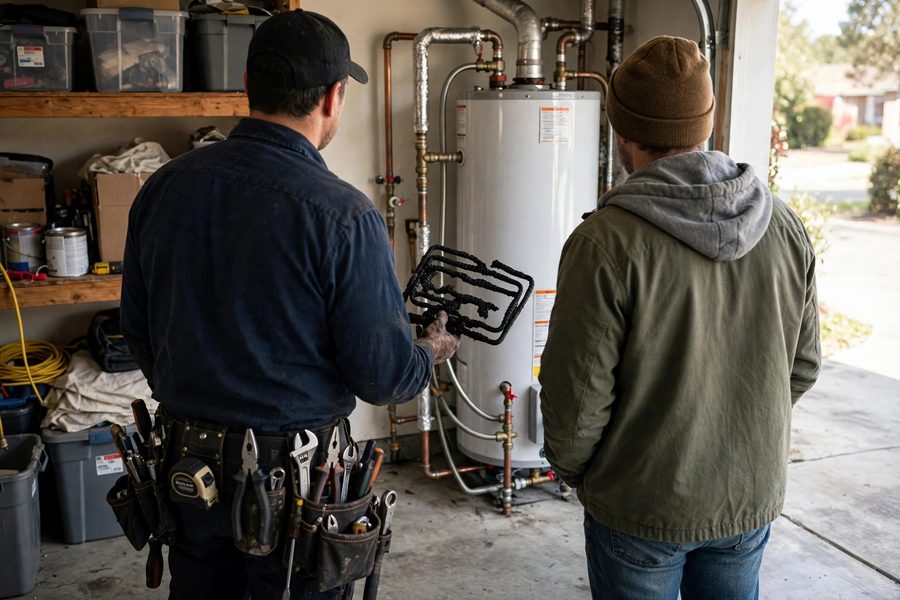
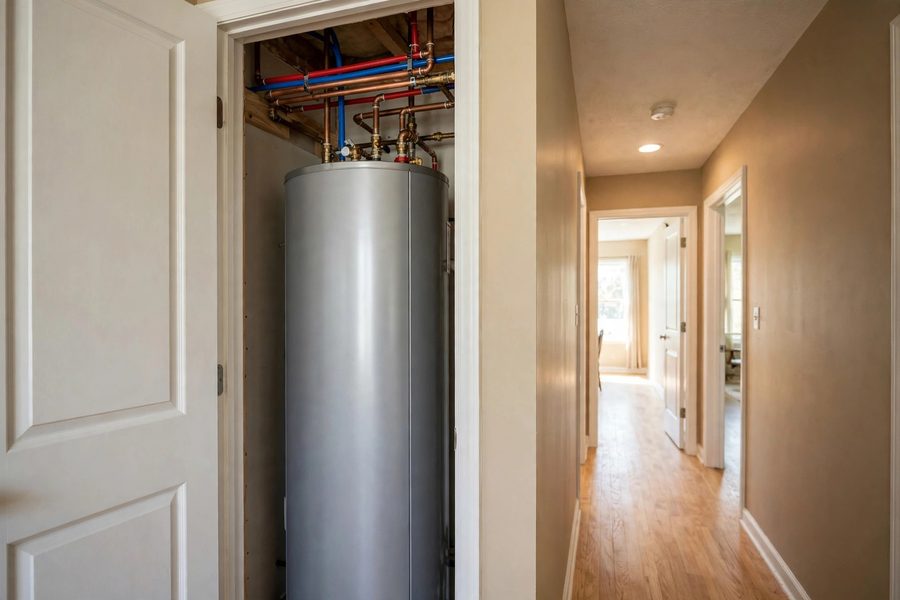
In Vienna, water Heater Repair begins with the trees: mature roots and clay era laterals wrote most of the underground story here. The camera and the meter read the age plate, the sediment, the verdict before any yard or wall is opened. Postwar galvanized and cast stock fails by age, street by street.
Call PLACEHOLDER
In Vienna, water Heater Replacement begins with the trees: mature roots and clay era laterals wrote most of the underground story here. The camera and the meter read sizing and venting for the next decade before any yard or wall is opened. Finished basements raise the cost of guessing; proof comes first.
Call PLACEHOLDER
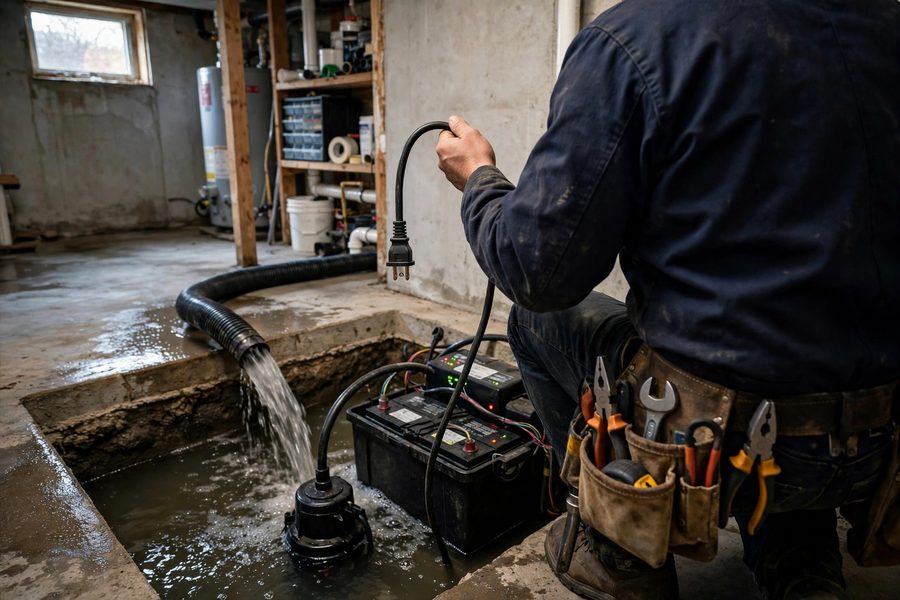
In Vienna, sump Pump & Basement Water Protection begins with the trees: mature roots and clay era laterals wrote most of the underground story here. The camera and the meter read the pit, the switch, and the discharge path before any yard or wall is opened. Town laterals are shared history: ask about the neighbor pattern.
Call PLACEHOLDERDescribe what you are seeing. One free call connects you with an independent local pro who can assess it in person.
PLACEHOLDERIn Vienna, the 2027 price of a plumbing job is set by the local pattern (root worked clay laterals, aging galvanized and cast lines, and hidden leaks over finished basements drive the call pattern) and the stock it serves, checked against the latest published national figures.
See cost ranges and how insurance paysPublished national guides put standard plumbing work at $75 to $150 per hour plus a trip or service fee of $50 to $150, with emergency and after hours work at 1.5 to 3 times the standard rate. By the job: drain snaking runs $100 to $275 for a single drain and $200 to $500 for a main line, a sewer camera inspection $125 to $500, leak detection $150 to $600, and water heater replacement $1,200 to $3,500 installed for a tank unit. A written price for the named job, after diagnosis, is the number to compare, not an hourly guess by phone.
Close the main shutoff, which stops every repair clock in the house at once. If you do not know where it is, say so on the call and you will be walked to the usual locations. Then power off to wet rooms if water is near outlets, move what can be moved off wet floors, and photograph the scene before cleanup. Mop last. The photos and the timeline are what an insurer works from, and drying decisions in the first day decide how much flooring and wall can be saved.
Usually the damage, not the pipe. A worn or corroded pipe is maintenance and its repair is the homeowner's cost everywhere. The sudden water damage a burst pipe causes (floors, walls, belongings) is commonly covered, subject to your deductible, which is why documenting the event promptly matters. Sewer backups are different again: they are commonly excluded from the base policy and covered only by a sewer backup endorsement, typically inexpensive relative to one backup. Ask your insurer about the endorsement before you need it, not after.
Once, a snake is a fix. Twice in a season, it is a symptom with a bill attached. Repeat clogs mean something structural: roots at a joint, scale narrowing the line, a belly holding water, or grease that a cable only pokes a hole through. The honest next step is a camera inspection at $125 to $500 in published guides, which converts guesses into footage. Chemical drain cleaners, meanwhile, mostly damage pipes and the person who later cables them; the trade's advice is to skip them.
Apply the 50 percent rule the trade uses: if the repair approaches half the cost of a new unit ($1,200 to $3,500 installed for a tank in published guides), replacement usually wins at that age, because the tank itself has four to six years of statistical life left at best. The exception is a cheap control part on a tank with no rust, no sediment roar, and dry fittings. A tank leaking from its body is not a repair conversation at any age; the body is the tank.
The failures cluster in the same places: lines in exterior walls, crawl spaces, garages, and against rim joists. Insulate those runs, seal the drafts that pour cold air over them, keep cabinet doors open on the coldest nights so room heat reaches wall lines, and let a vulnerable faucet drip slowly when a hard freeze is forecast; moving water resists freezing and relieves pressure if ice does form. Know your shutoff before the cold snap, and disconnect and drain exterior hoses in the fall. A line that froze once will freeze again until its exposure is fixed.
When the decision is expensive, yes. A camera at $125 to $500 in published guides answers the questions that decide thousands: roots or collapse, one joint or the whole run, lining candidate or excavation. On a line that clogs once and clears, it is optional. On a line that clogs twice, on an old clay or cast iron lateral that has never been seen, and before buying a house, it is the cheapest certainty in plumbing.
That pattern is the main line, not the fixtures. One slow sink is that sink's trap or branch; every drain slow together, with a toilet gurgling when the washer drains, means the restriction sits where all of them meet. Stop running water where you can, because the next stage is backup at the lowest fixture, and call today. Main line clearing runs $200 to $500 in published guides, and what the cable brings back (roots, grease, scale) decides whether a camera should follow.
Several Slow Drains at Once: The Main-Line Read in Vienna: If several drains slow together under big trees, the main line read comes before any...
Roots in the Line: A Vienna Sewer Guide: If the meter moves at midnight with the house asleep, shut the main and start from that...
This service is operated from the United States. Calls are handled by a US based team whose job is routing you to the right local pro, not harvesting leads for resale.
Prefer to talk later? Leave your details and an independent local pro will call you back. No charge to you, no obligation.
Difficult Run Plumbing is a free referral service. Submitting this form connects you with independent local contractors who provide the work.
Calls are answered 24/7. One call connects you with an independent local pro.
PLACEHOLDER